
Explosion Protection in Tyrol
VEXAT, hazardous zones, explosion protection document? We assess the explosion hazards in your company and prepare the explosion protection document, so your staff work safely and your company is ready for inspection.
Wherever gases, vapours or dusts occur
Solvents in the paint shop, wood or flour dust in production, gases in the laboratory or tank farm: explosive atmospheres can form in all of these places. The Austrian Explosive Atmospheres Ordinance (VEXAT) then requires employers to assess the explosion hazards, classify hazardous areas into zones and record the protective measures in an explosion protection document.
Together we walk through your plants and processes on site. The result is an explosion protection document that fits your company and works in everyday operation.
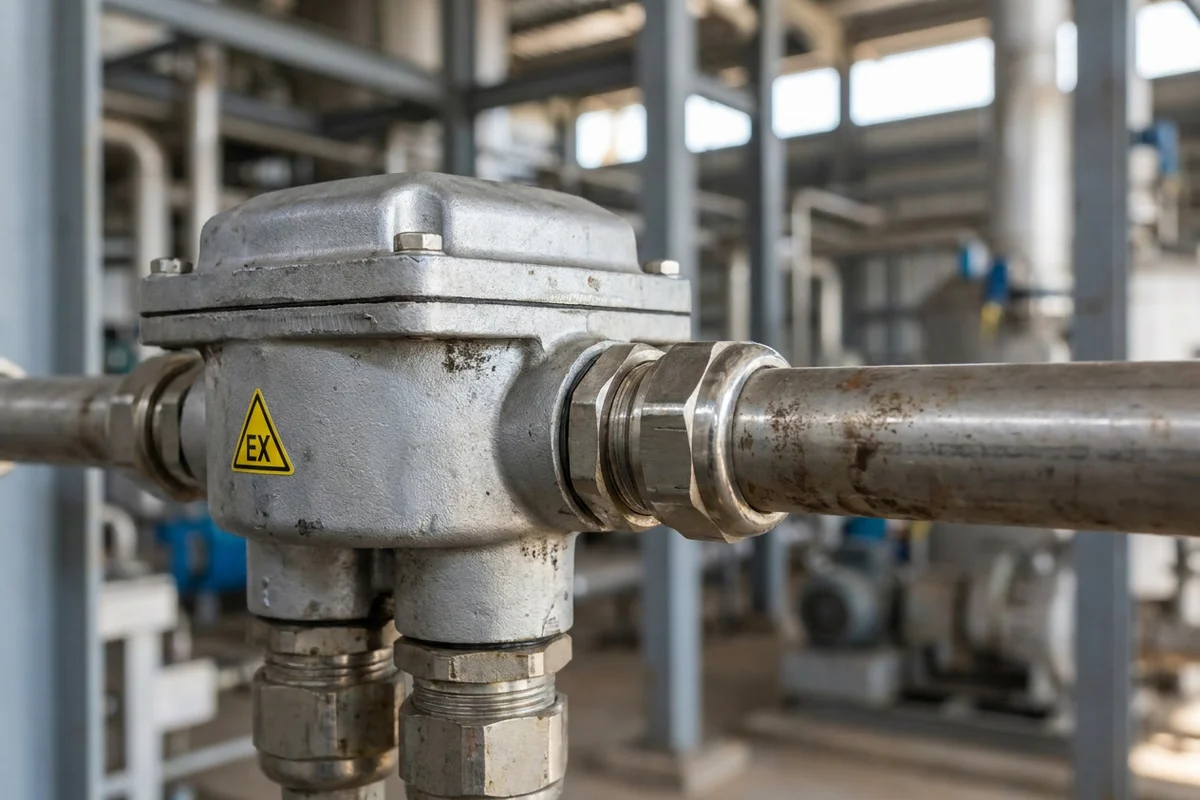
What we take off your plate
Assessment of Explosion Hazards
We determine where and how often explosive atmospheres can occur and assess possible ignition sources in your plants and processes.
Hazardous Zone Classification
Hazardous areas are classified into zones: zones 0, 1 and 2 for gases and vapours, zones 20, 21 and 22 for dusts. Clearly shown in plans.
Explosion Protection Document According to VEXAT
We prepare the explosion protection document including technical and organisational protective measures, complete and traceable.
Interface to Permits & Fire Protection
Explosion protection, fire protection and the plant permit are interlinked. With us, everything comes from a single source, coordinated with authorities and experts.
Explosion protection for industry and trade
Explosion hazards exist in many industries: in industrial and pharmaceutical plants as well as in woodworking, paint shops, food production or tank farms. We support companies throughout Tyrol, directly from the Kundl life science location. When plants, substances or processes change, we keep the explosion protection document up to date together with you.
Explosion protection in brief
When does a company need an explosion protection document?
As soon as explosive atmospheres can form in a company, for example from flammable gases, vapours, mists or dusts. The VEXAT then requires the employer to assess the explosion hazards and record the protective measures in an explosion protection document.
What does an explosion protection document contain?
The assessment of explosion hazards, the classification of hazardous areas into zones, the technical and organisational protective measures taken and the work equipment that may be used in the hazardous zones.
What do the hazardous zones mean?
The zones describe how often and for how long an explosive atmosphere is present. Zones 0 and 20 mean continuously or for long periods, zones 1 and 21 occasionally in normal operation, zones 2 and 22 only rarely and briefly. Zones 0 to 2 apply to gases and vapours, 20 to 22 to dusts.
When does the explosion protection document have to be updated?
Whenever the workplace, work equipment, substances or processes change significantly. We keep the document up to date together with you.
What is the difference between fire protection and explosion protection?
Fire protection prevents fires from starting and spreading and secures escape routes. Explosion protection starts earlier: it prevents explosive atmospheres from forming or being ignited. We plan both for you, coordinated from a single source.

Explosion protection document missing or outdated?
Tell us about your plant. Together we clarify which areas are affected and what your explosion protection document needs to contain.
Book an intro call